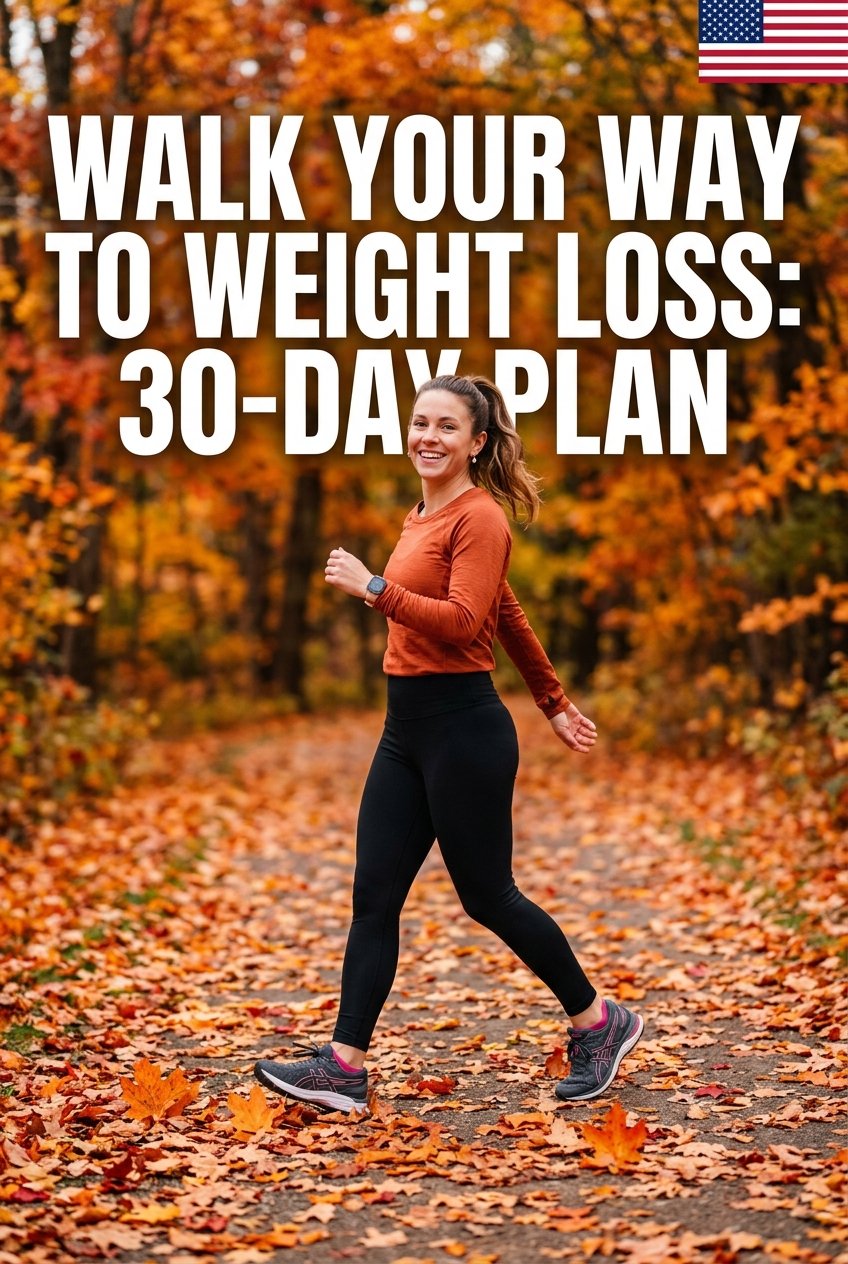
Walking is one of the most accessible ways to get more active, and it does not require a gym membership, special equipment, or experience. This beginner’s 30-day plan helps you build a steady walking habit step by step. It is general information only, not medical advice — talk to your doctor before starting a new exercise routine, especially if you have a health condition, joint pain, or have been inactive for a while.
Why Walking Works for Beginners
Walking is low-impact, easy to fit into a day, and easy to adjust. You can walk in your neighborhood, at a local park, on a treadmill, or around a shopping mall when the weather is bad. A brisk walk raises your heart rate without leaving you exhausted, which makes it easier to repeat tomorrow — and consistency matters more than any single walk.
What You Need to Start
Comfortable walking shoes with good support, weather-appropriate layers, a water bottle, and a way to track your walks if you like — a phone app or a simple notebook works fine. In fall, mornings and evenings can be 45 to 60 degrees Fahrenheit in many parts of the USA, so a light jacket and reflective gear for low light are smart additions. Sunscreen still matters on sunny days.
The 30-Day Beginner Plan
Week 1: Walk 15 to 20 minutes, 4 days a week, at a comfortable pace where you can still talk. Focus on the habit, not speed.
Week 2: Walk 20 to 25 minutes, 5 days a week. Add one slightly hillier route or a few minutes of faster walking in the middle.
Week 3: Walk 25 to 30 minutes, 5 days a week. Try one walk with a friend, a podcast, or music to make it enjoyable.
Week 4: Walk 30 minutes, 5 to 6 days a week, with most walks at a brisk pace where talking takes a little effort. Celebrate finishing the month, then keep the routine going.
Simple Tips to Stay on Track
Walk at the same time each day so it becomes part of your routine. Lay out shoes and clothes the night before. Break walks into two 15-minute walks if a full 30 minutes feels like too much at first — the total still counts. On rainy days, walk indoors at a mall or on a treadmill, or march in place at home for 10 minutes at a time.
Food and Walking: Keep It Realistic
Walking alone does not guarantee weight loss, and no single food or drink melts fat. Most people see the best results when more movement is paired with balanced, portion-aware eating — more vegetables, whole grains, and lean protein, and fewer sugary drinks and oversized snacks. If you want a personal eating plan, talk to your doctor or a registered dietitian. Avoid extreme diets or products that promise fast results.
Tracking Progress Without Obsessing
Track what you can control: how many days you walked, how long you walked, and how you felt afterward. Weigh yourself no more than once a week, at the same time of day, and remember that weight naturally goes up and down a little from day to day. Energy, sleep, mood, and stamina are also real signs of progress.
Frequently Asked Questions
How many steps should a beginner aim for? There is no magic number. If you currently walk 3,000 steps a day, aiming for 5,000 is a great first goal. Build up gradually instead of jumping straight to 10,000.
Is walking enough exercise on its own? For many beginners, yes — walking is a solid start. As you get fitter, you can add strength exercises like bodyweight squats or resistance bands two days a week if your doctor agrees.
What if I miss a day? That is normal. Just walk the next day. One missed walk does not undo a habit, but quitting after a missed day can.
Thirty days of walking will not transform your body overnight, but it can transform your routine — and a routine you enjoy is one you can keep. Lace up, start with 15 minutes, and let the habit grow.